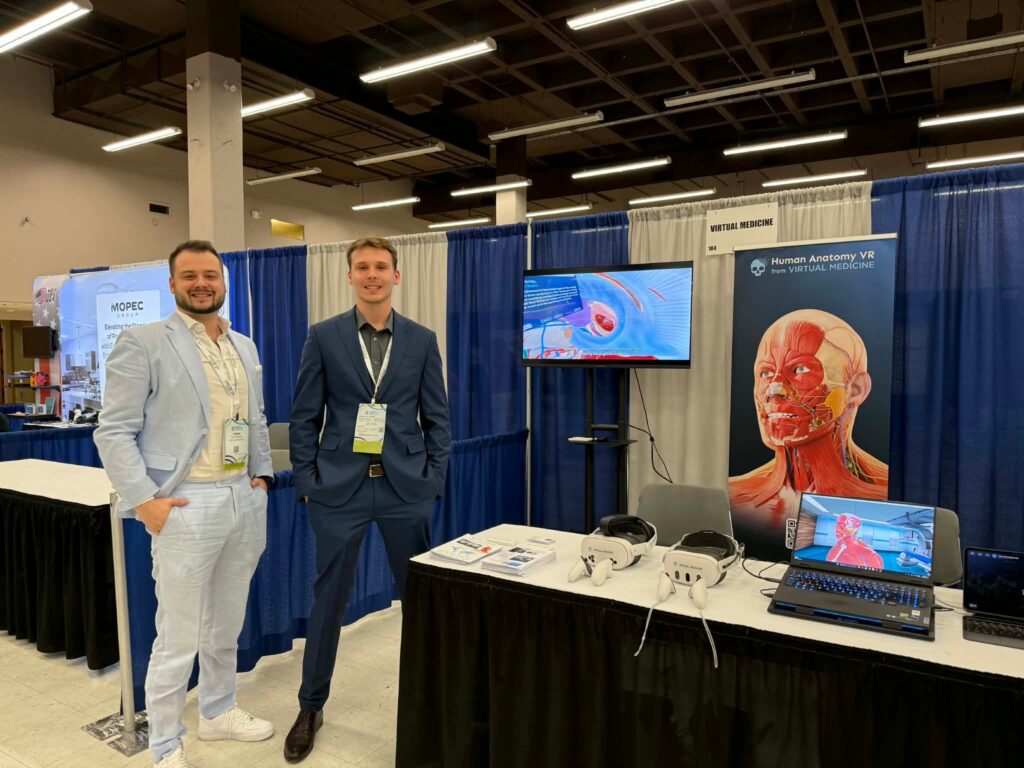
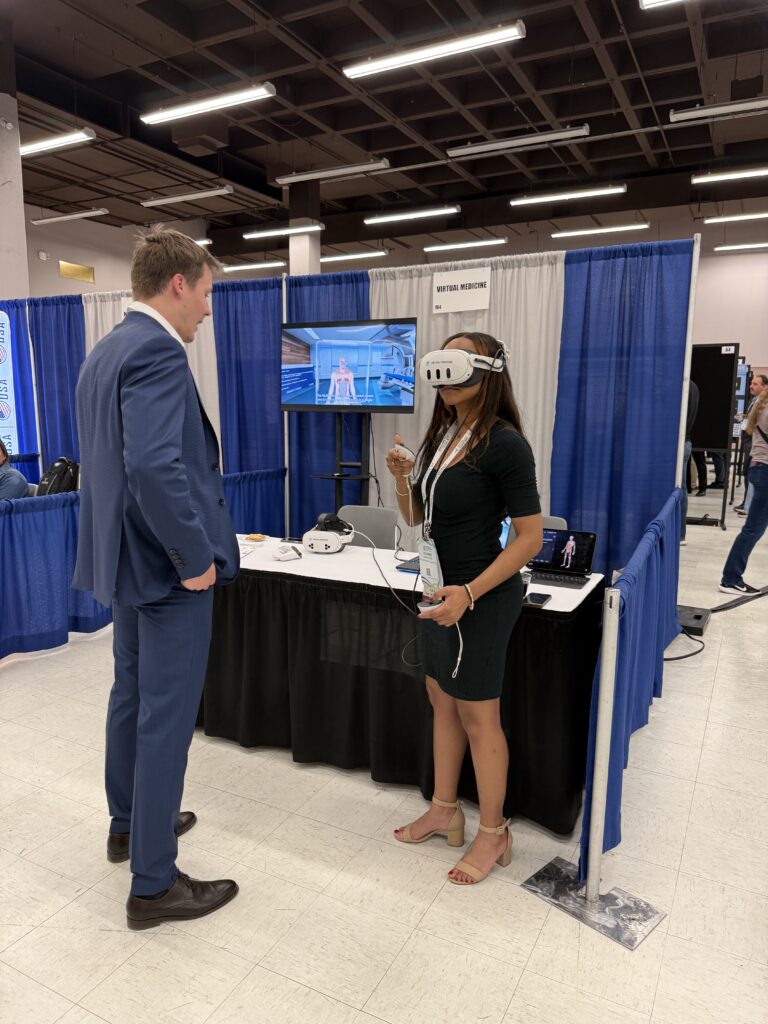
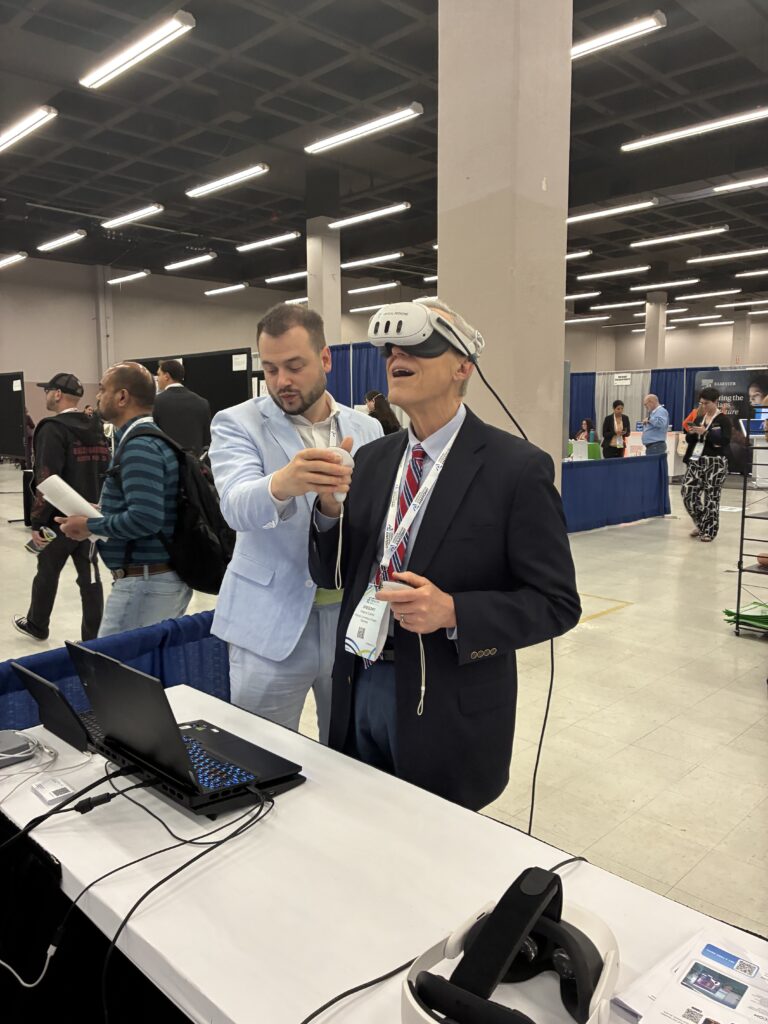
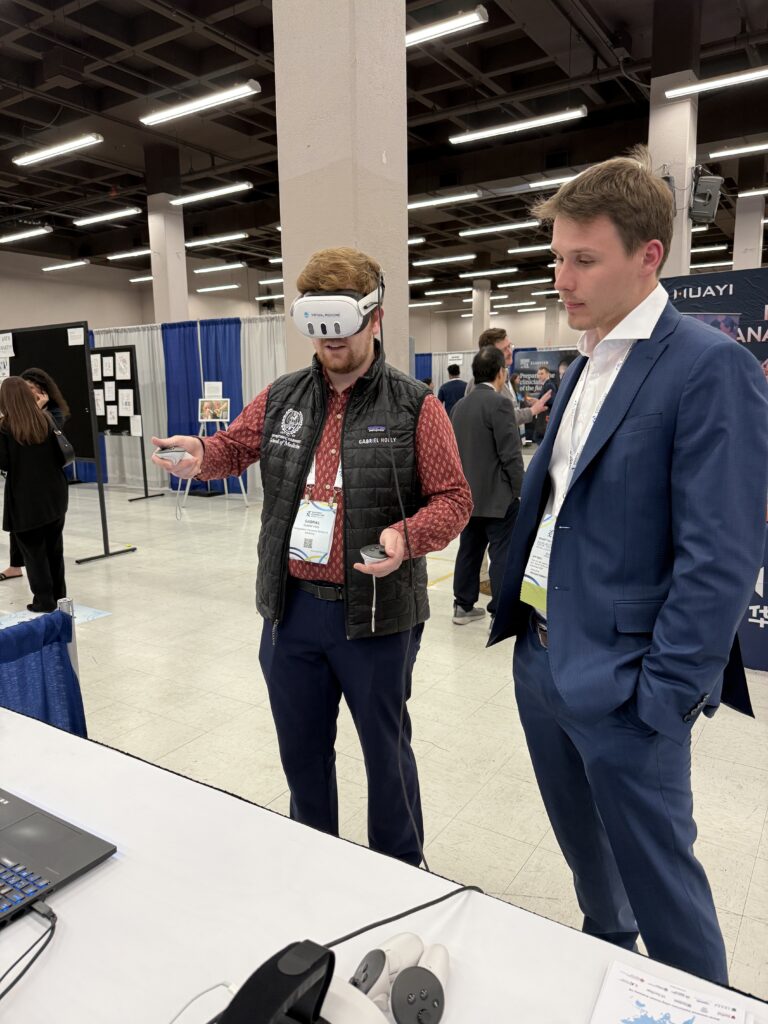
Virtual Medicine was pleased to exhibit at Anatomy Connected 2026 in Albuquerque, New Mexico, from April 17 to 20.
The event gave our team a great opportunity to reconnect with clients, meet new educators, researchers, and healthcare professionals, and take part in conversations about the future of anatomy education.
During the conference, we presented hands-on demos of Human Anatomy VR and AR Anatomy and spoke with attendees about how immersive tools can support teaching, learning, and engagement in anatomy.
We are grateful to everyone who visited our booth and shared their time, feedback, and perspective with us. Events like this continue to be valuable for building strong relationships and staying connected to the needs of the academic and medical education community.
Empowering Students with Immersive Learning: Human Anatomy VR at UDC’s STEAAM Camp
In the last week of June, the Center for the Advancement of Learning (CAL) at the University of the District of Columbia welcomed more than 40 middle and high school students as part of the university’s annual CAUSES STEAAM Camp. The program—focused on Data Science, Technology, Engineering, Agriculture, Architecture, and Mathematics—offers young learners exposure to emerging technologies and academic pathways in these fields.
During their visit, students explored CAL’s immersive learning offerings, including Human Anatomy VR by Virtual Medicine. The hands-on session gave students the opportunity to engage with interactive 3D anatomical models in a virtual environment—an experience that reflects how modern tools are being used in higher education to make complex subjects more accessible.
CAL’s participation in the STEAAM Camp reflects its continued commitment to expanding access to innovative educational tools. By offering students a chance to explore immersive platforms like Human Anatomy VR, CAL helps spark early interest in science and health-related fields through technology-rich, hands-on learning.
Virtual Medicine was honored to participate in MedExpo Africa 2025, held from May 14–16 at Nairobi’s Sarit Expo Centre, in collaboration with the Slovak Health Innovation Hub. As East Africa’s leading medical trade fair, this year’s MedExpo brought together over 160 exhibitors from more than 30 countries, creating a dynamic platform for showcasing transformative healthcare and medical technologies.
The Slovak Health Innovation Hub’s presence at MedExpo 2025 was made possible with the support of the Slovak Embassy in Kenya and the Ministry of Foreign and European Affairs of the Slovak Republic. Together, they coordinated a national delegation to highlight Slovakia’s innovative health-tech sector and foster international collaboration across the East African region.
MedExpo Africa: A Regional Hub for Health-Tech Innovation
MedExpo Africa continues to serve as a central meeting point for healthcare stakeholders across the continent. The 2025 event brought together manufacturers, distributors, hospitals, public health representatives, and digital health pioneers to explore cutting-edge solutions in diagnostics, treatment, and medical education.
As part of the Slovak national booth, Virtual Medicine demonstrated how immersive technology can transform healthcare training, with a focus on practical, scalable solutions for educational institutions and clinical environments.
Virtual Medicine’s Contribution
Virtual Medicine presented its flagship platform,Human Anatomy VR, an award-winning application designed for:
Immersive 3D exploration of human anatomy using virtual reality
Multi-user learning for collaborative training in real-time
Adaptability across disciplines including medicine, radiology, physiology and nursing
The solution attracted attention from universities, hospitals, and medical suppliers seeking innovative ways to expand access to quality healthcare education in Kenya and Africa.
Diplomatic and Strategic Recognition
The Slovak delegation, including Virtual Medicine, received strong support from the Slovak Embassy in Nairobi and the Ministry of Foreign and European Affairs of Slovakia underlined the country’s commitment to fostering export opportunities and knowledge exchange through diplomacy and innovation.
Looking Ahead
Participation in MedExpo Africa 2025 represents a significant step in Virtual Medicine’s strategic outreach in East Africa. As the region continues to invest in healthcare infrastructure, training, and digital transformation, Virtual Medicine is positioned to support institutions with impactful, scalable XR-based educational tools.